Hannover Messe 2026: Why Engineering Offices Need Infrastructure Financing
Hannover Messe 2026 made a bottleneck visible that is often overlooked: the technical studies for hydrogen, e-mobility, and sector coupling are well advanced. What does not move them into execution is the missing financing architecture.
 Managing Director & CEO, NEXA Horizons · Infrastructure Financing Platform · LinkedIn ↗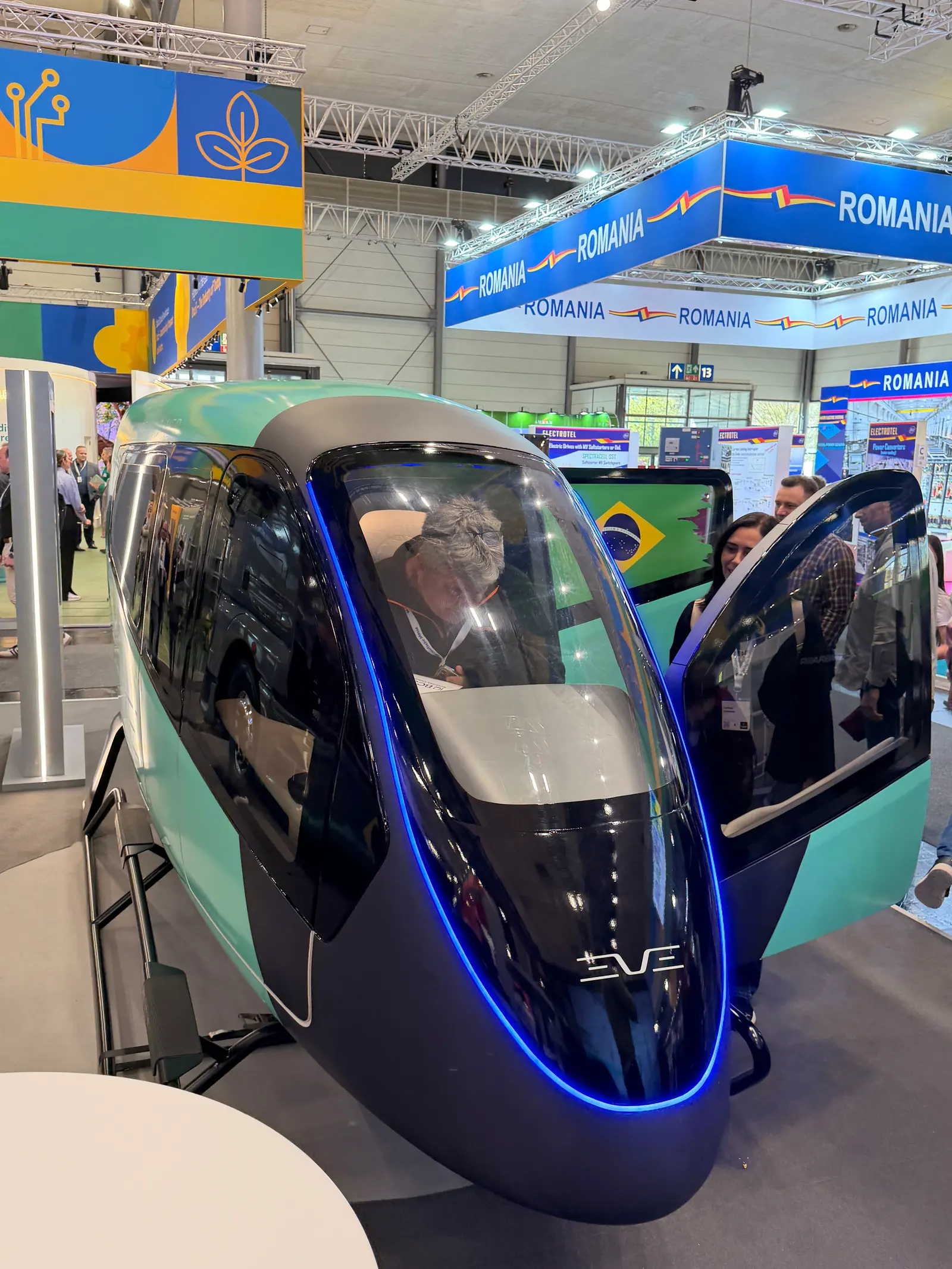
Hannover Messe 2026 made visible a bottleneck that is often overlooked: the technical studies for hydrogen, e-mobility, and industrial sector coupling are well advanced. What does not move these studies into actual execution is the missing financing architecture. Five fair days in Hannover, intensive conversations with engineering offices, a European development bank, investors, customers, and potential partners confirmed the same diagnosis over and over. That is exactly where NEXA Horizons positions itself.
Hannover Messe 2026 at a glance
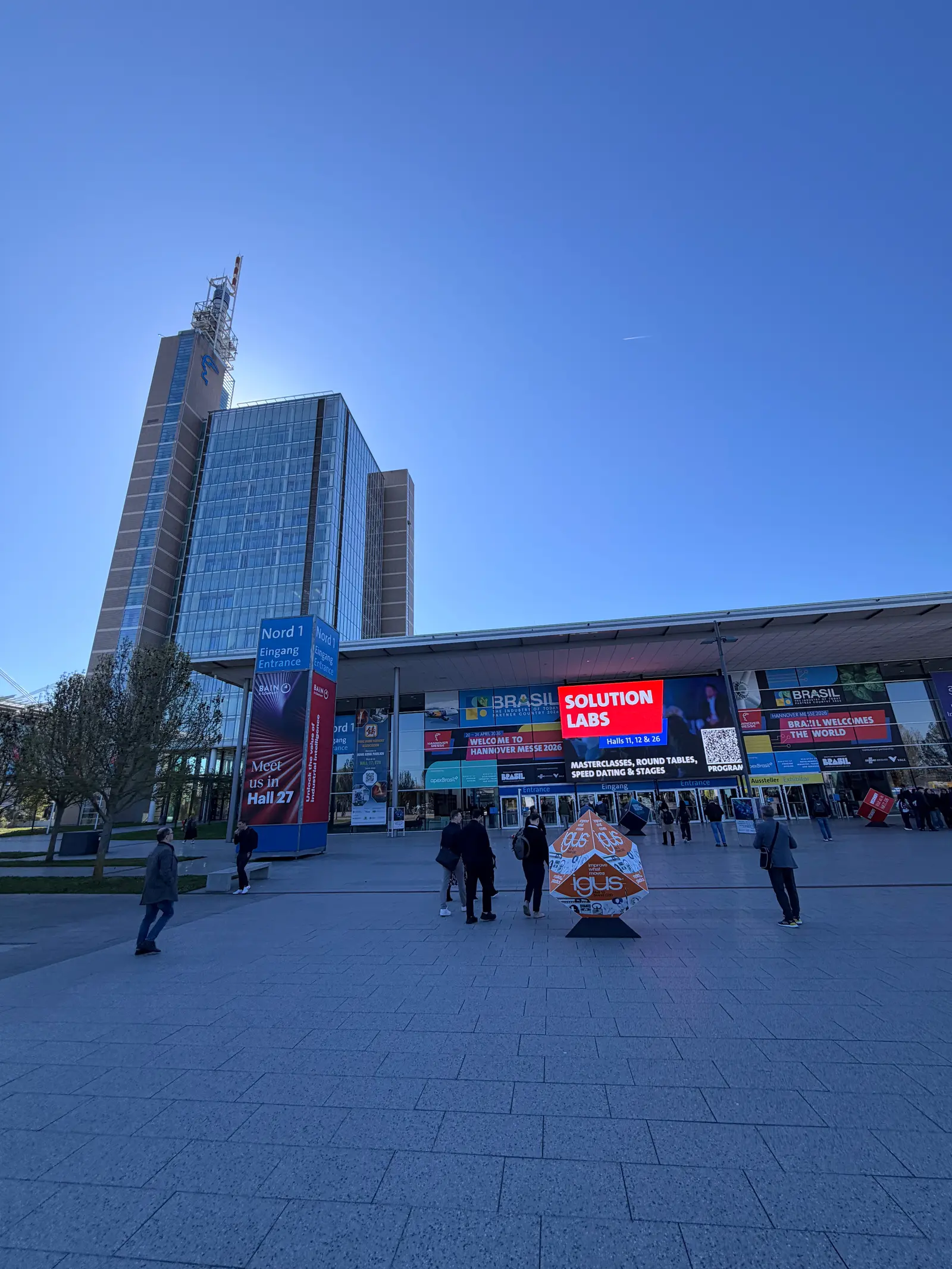
Hannover Messe is the world's leading industrial trade fair. The 2026 edition took place from 20 to 24 April 2026 in Hannover. The focus was on how advanced energy technologies are changing industrial production.
Three thematic clusters structured the hall:
- Power Engineering & Energy Automation — automation, digital twins, AI-supported control systems
- Energy Infrastructure & Storage Solutions — resilient grids, stationary and mobile storage, intelligent load management
- Hydrogen Technologies — from process heat in chemicals and steel production to modular factory solutions
Around 300 companies presented hydrogen-related innovations, complemented by the dedicated "Hydrogen + Fuel Cells EUROPE" display.
What the fair really showed
We visited engineering offices that today conduct feasibility studies from hydrogen via sector coupling to e-mobility infrastructure. Three observations:
1. The technical concepts are mature
Electrolysis technologies scale. Heat pumps in industrial-heat sizes are available. Fast-charging infrastructure is standard. PEM fuel cells are produced industrially in pilot plants. Sector coupling — power, heat, mobility, hydrogen — is conceptually thought through.
2. What is missing is the financing side
Engineering studies get created, paid for by a Mittelstand company, made technically executable — and then end up in a drawer. Not because the technology does not work. But because the capital stack does not stand. Without a clear answer to "Who finances this? Through which structure? With which risk profile?", nothing happens.
3. Cross-sector projects demand cross-sector financing
A typical Mittelstand transformation project in 2026 is not a pure PV project. It is a combination of PV, storage, heat pump, charging infrastructure, and load management. Classical financing products are mono-thematic — PV subsidy here, KfW for the heat pump there, a separate line for charging infrastructure. This fragmentation alone blocks many projects.
Who we spoke with
Four conversation threads were particularly valuable:
- Engineering offices: On current feasibility studies and how to translate technical recommendations into financed projects faster
- A European development bank: On blending structures for Mittelstand energy projects and possible co-financing through NEXA-structured SPVs
- Investors: On mid-market BESS as an institutional asset class
- Customers and potential partners: On concrete projects and joint origination
Every single conversation highlighted the same bottleneck: there are more projects than bankable structures.
The diagnosis that became clear in Davos
In Davos we said: energy is the prerequisite for every digital ambition. In Hannover, it became visible that the same applies to industrial transformation.
Hydrogen takes center stage — applications range from process heat in chemicals and steel production to modular factory solutions. That is not small. But it will not scale without stable financing architectures.
What NEXA contributes
Our role is not to build the next electrolysis innovation or develop the more efficient heat pump. Our role is to place the money next to the innovation:
- Standardized SPV structures for Mittelstand energy projects with cross-asset logic
- Certified performance data via NEXA ONE and our reporting layer
- Clear capital stacks for family offices, savings banks, and impact investors that want to enter the mid-market but have not had access so far
- Origination layer that uses engineering offices as multipliers, instead of competing with them
The engineering offices deliver the study. NEXA Horizons delivers the deal.
A concrete example: what a typical Mittelstand project looks like
A Mittelstand machine builder in NRW:
- Load profile 1.2 GWh/year, peak load 350 kW
- Roof area available for 800 kWp PV
- Plan: PV + 1.5 MWh BESS + heat pump for process heat + 8 wallboxes
- Investment volume: approx. 2.4 million EUR
- Classical problem: KfW covers the heat pump, EEG support applies to PV differently, BESS hangs on the construction contract, wallboxes need §14a compliance — four subsidy logics, four contracts, four reportings
With NEXA Own this becomes one project, one financing, one reporting. With NEXA Zero it is a contracting relationship without CAPEX and without balance-sheet impact: the Mittelstand company pays a fixed energy price, the project company finances, vetted partners build and operate, NEXA structures and orchestrates.
Take-aways
- The technical concepts for industrial energy transformation are mature in 2026.
- The bottleneck is the missing standardized financing layer.
- Cross-sector projects demand cross-sector financing — exactly where NEXA starts.
- Engineering offices are our most important multipliers, not our competition.
FAQ
Talk to us.
Whether you're a Mittelstand operator, investor, engineering office or partner: we want to hear from you.
Get in touch